
Note: Some links may earn us a commission at no cost to you.
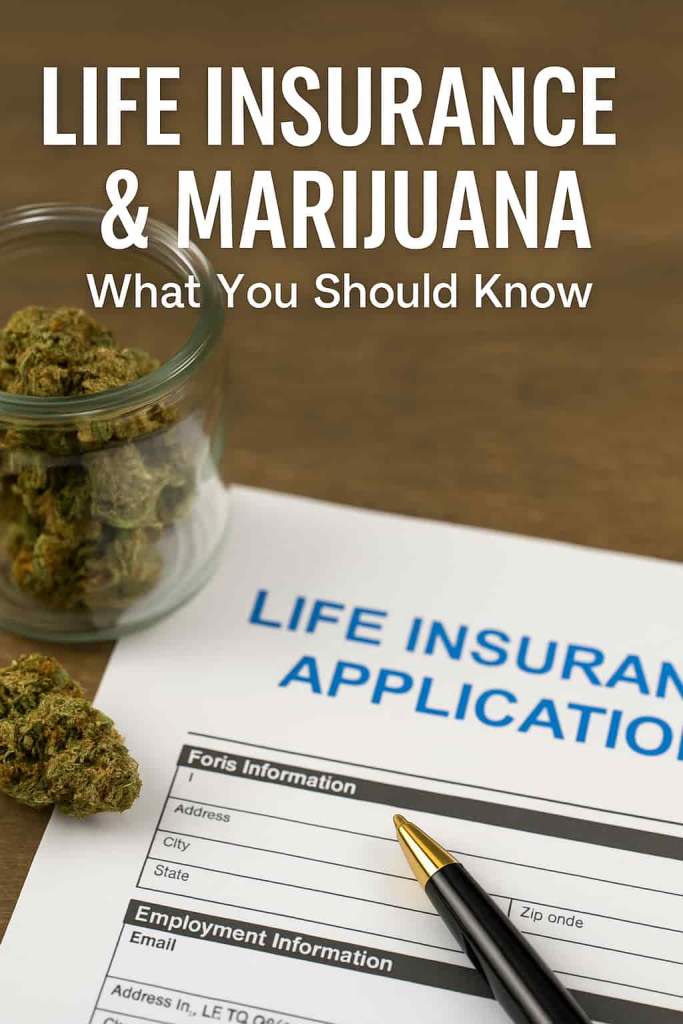
Marijuana Use and Life Insurance: The Facts
With more states legalizing marijuana for medical and recreational use, insurers are adapting — but not all at the same pace. The good news? You can still qualify for life insurance even if you use cannabis. The key is understanding how underwriters view it.
👉 If you’re new to underwriting, start with The Ultimate Guide to Life Insurance Approval for a complete overview.
How Insurers View Marijuana Use
Life insurance companies evaluate cannabis just like any other lifestyle factor. What they care most about is how often and why you use it.
Occasional Use (once or twice a month):
Many carriers will still consider you a non-smoker, especially if it’s for medical use.
Regular Use (weekly or daily):
You may be rated as a tobacco user, which increases premiums — but approval is still possible.
Medical Marijuana:
If you have a valid prescription, underwriters will also review the underlying medical condition (e.g., chronic pain, anxiety, or cancer).
What Underwriters Will Ask
Expect these questions on your application:
- How often do you use marijuana?
- Is it smoked, vaped, or taken in edible form?
- Do you have a medical marijuana card?
- What condition is it prescribed for?
- Any past history of substance abuse?
How Marijuana Impacts Rates
Rates depend on how insurers classify your usage. Here’s a general breakdown:
| Usage | Typical Rate Class | Notes |
|---|---|---|
| Occasional (less than 2× per month) | Non-Smoker | Many insurers still offer Preferred or Standard rates |
| Medical (prescribed) | Case-by-Case | Based on reason for use and doctor follow-up |
| Recreational (weekly or more) | Smoker or Substandard | Still insurable, but higher cost |
| Combined with nicotine | Smoker | Higher rates; most carriers classify as smoker |
Find Affordable Coverage Today
- Protect your family’s financial future
- Compare real rates instantly
- Trusted partners, no hidden fees
No obligation — cancel anytime.
Why Honesty Matters
It’s important to be open about marijuana use. Carriers can cross-check prescription databases or lab results, so misrepresentation can lead to policy cancellation.
Honesty lets your agent match you with a company that’s friendly toward marijuana users — and keeps your coverage secure.
Tips to Improve Your Approval Chances
✅ Apply with a marijuana-friendly carrier (your agent or broker can help identify them).
✅ Explain your usage clearly — medical vs recreational.
✅ Maintain good overall health (blood pressure, cholesterol, etc.).
✅ Avoid combining with nicotine products.
✅ Link to Tobacco and Nicotine Use and Life Insurance for more context.
Bottom Line
Having a medical marijuana card doesn’t automatically mean you’ll be declined — it just means underwriters will look more closely. With the right company, even daily users can qualify for affordable coverage.
👉 For more guidance, see Life Insurance and Health Issues for insights into how various factors affect approval.
If you’re specifically interested in how recreational cannabis use impacts life insurance, check out my related article, Can I Get Life Insurance if I Use Marijuana? It breaks down how insurers view occasional versus frequent use — and what you can do to find the most marijuana-friendly companies.
⏰ 30-Day Money Back Guarantee
Compare Quotes NowApply with confidence — cancel within 30 days for a full refund.
Frequently Asked Questions About Marijuana and Life Insurance
Can I get life insurance if I use medical marijuana?
Yes. Many life insurers now consider medical marijuana similar to other prescribed medications. Your eligibility depends on the underlying condition, how often you use it, and your overall health. Learn more in Life Insurance and Health Issues.
Will I be rated as a smoker if I use marijuana?
It depends on the frequency and form of use. Occasional or edible-only users may still qualify for non-smoker rates, but frequent or combined nicotine users are often rated as smokers.
Do I need to tell my insurer about marijuana use?
Yes. Full disclosure is essential. Insurers may verify prescription databases or lab results. Being honest helps you match with marijuana-friendly carriers and protects your policy from cancellation.
Does recreational marijuana use automatically mean denial?
Not necessarily. Occasional recreational users can still qualify, though daily use may increase rates. Each insurer has its own underwriting approach, so comparing companies is key.
Leave a Reply