
Note: Some links may earn us a commission at no cost to you.
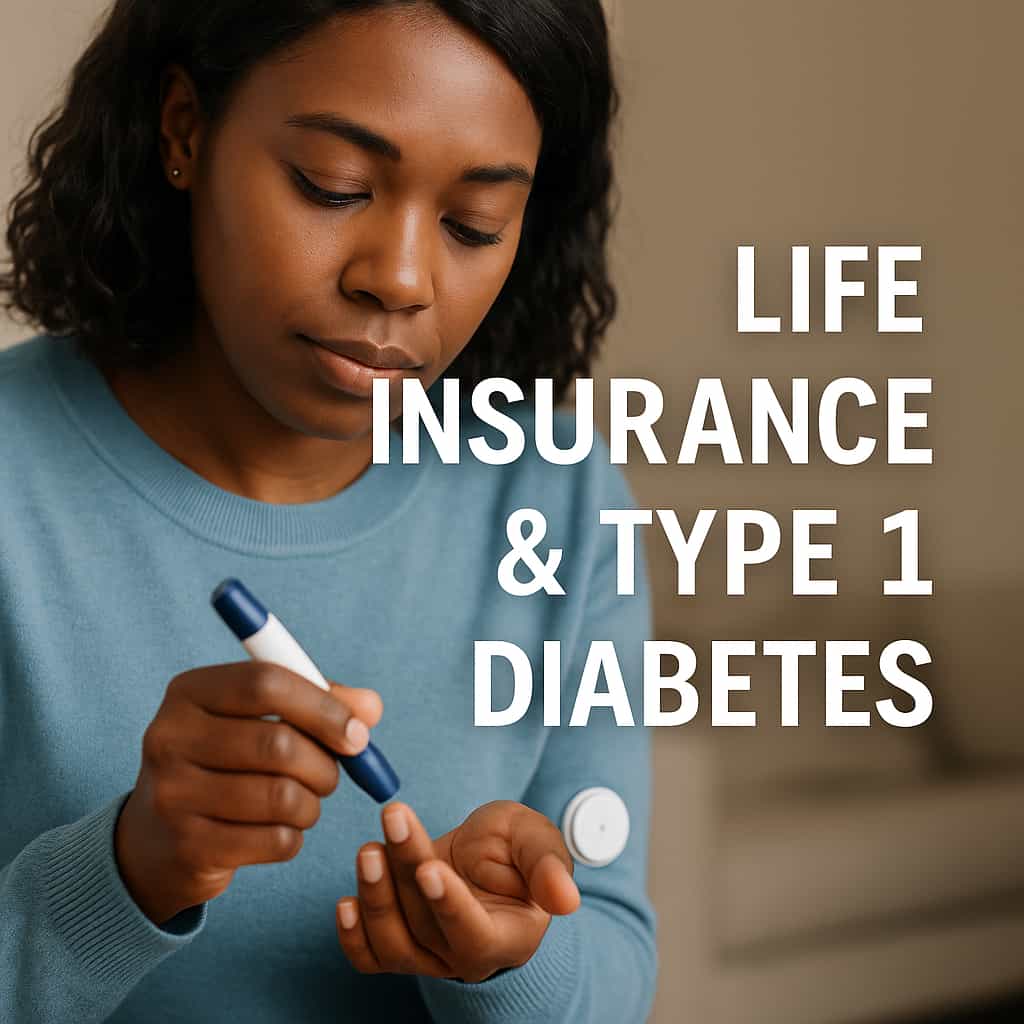
Type 1 diabetes doesn’t automatically disqualify you from getting life insurance — but it does require a more thoughtful approach. With the right management and insurer, approval is absolutely possible.
Find Affordable Coverage Today
- Protect your family’s financial future
- Compare real rates instantly
- Trusted partners, no hidden fees
No obligation — cancel anytime.
Why Insurers Look Closely at Type 1 Diabetes
Because Type 1 diabetes is typically diagnosed earlier in life and requires insulin use, insurers view it as higher risk than Type 2. What they want to understand is control — not just that you have diabetes, but how well you manage it.
Insurers will look at:
- A1C levels – consistent readings (generally under 7.0%) show strong control.
- Treatment plan – insulin regimen, glucose monitoring, and endocrinologist follow-ups.
- Complications – neuropathy, kidney or eye issues can affect pricing.
- Lifestyle – your diet, exercise habits, and whether you smoke or use nicotine.
- Follow-up care – documented visits and lab work prove stability.
💡
Tip:
If your A1C is well-controlled and you’ve had no serious complications for several years, you may qualify for better rates than you expect.
How to Improve Your Chances of Approval
✅ Keep records handy. Underwriters like recent lab results showing consistent care.
✅ Apply to the right company. Some carriers are more diabetes-friendly than others.
✅ Work with experts. Brokers like Everyday Life can help match you to carriers known for flexible underwriting.
✅ Stay consistent. Missing check-ups or inconsistent readings hurt your chances more than your diagnosis itself.
Why Online Brokers Help
Online life-insurance brokers simplify the process by comparing policies from multiple carriers — many offering no-exam options for well-managed diabetes.
If you prefer a quick, low-stress process, online platforms can save time and help you find your best fit.
💙 Find Diabetes-Friendly Life Insurance Options
Get My Personalized QuoteFast, secure, and no pushy calls.
What About Pregnancy and Type 1 Diabetes?
If you have Type 1 diabetes and are pregnant, your eligibility depends on current control and any complications. Most insurers will postpone coverage until after delivery, but you can prepare in advance.
See also: Can I Get Life Insurance if I Am Pregnant?
What If I’ve Been Declined Before?
Don’t give up — declines are often company-specific. You may simply have applied to a carrier less comfortable with Type 1 risks. Applying through a multi-carrier broker can open new doors.
Bottom Line
Having Type 1 diabetes doesn’t close the door on life insurance. With steady management, consistent medical documentation, and the right insurer, coverage is entirely possible — often at affordable rates.
👉 For broader context, see The Ultimate Guide to Life Insurance Approval for more on how health and lifestyle affect underwriting decisions.
Choose from the Largest Selection
Get matched with the right term or whole life policy in minutes.
Explore My OptionsSimple, fast, and secure application process.
❓ Frequently Asked Questions: Diabetes & Life Insurance
Can I get life insurance if I have Type 1 or Type 2 diabetes?
Yes. Many people with Type 1 and Type 2 diabetes are approved for coverage. Eligibility and price depend on control (A1C), treatment, age at diagnosis, and whether there are any complications.
Do I need a medical exam?
Not always. Some carriers offer no-exam or simplified issue policies, especially for Type 2 diabetes with stable control. Traditional fully underwritten policies may require an exam and lab work.
What A1C level do insurers prefer?
Many underwriters like to see an A1C around 7.0% or lower with consistent readings over time. A single result matters less than a stable history and regular follow-up care.
Does insulin use hurt my chances?
Not necessarily. Insulin use is common for Type 1 and sometimes for Type 2. Insurers focus on your overall control, compliance, and absence of complications more than the specific medication.
How do diabetes complications affect pricing?
Complications such as neuropathy, retinopathy, kidney disease, or cardiovascular issues typically raise rates and may lead to table ratings. Applicants without complications often receive better offers.
Why does age at diagnosis matter?
Later-onset diabetes (e.g., in your 40s or 50s) is often viewed more favorably. Early-onset diabetes may suggest longer exposure to risk and can result in higher premiums.
Will my weight, blood pressure, or smoking status affect my approval?
Yes. Build (height/weight), blood pressure, cholesterol, and nicotine use all impact underwriting. Maintaining a healthy lifestyle and being smoke-free can significantly improve outcomes.
What information will the insurer ask for?
Expect questions about A1C history, medications, dosage changes, frequency of checkups, eye and foot exams, any hospitalizations, and whether you have had hypoglycemic events.
How long should I wait after diagnosis before applying?
If newly diagnosed, some carriers prefer a few months of stabilized results. If your control is established and follow-ups are documented, you can often apply right away.
Can my premiums improve if my A1C gets better?
Possibly. Some carriers allow reconsideration or a new application after your control improves and remains stable for a period (often 6–12 months). Results vary by insurer.
Which policy type is usually best for people with diabetes?
Many choose term life for affordability during high-need years. Permanent policies can work if long-term protection or cash value is important. The best option depends on budget, age, and health profile.
What if one insurer declines me?
Underwriting varies widely. A decline from one company doesn’t mean others will say no. Applying through carriers that are diabetes-friendly often yields better outcomes.
Can I qualify for coverage if I also have high blood pressure or cholesterol?
Yes, if those conditions are controlled and documented. Multiple risk factors can increase pricing, but approval is still common with proper management.
Is employer (group) life insurance enough?
Group benefits are helpful but typically limited and may end if you leave your job. An individual policy provides portable, long-term protection.
Leave a Reply