
Note: Some links may earn us a commission at no cost to you.
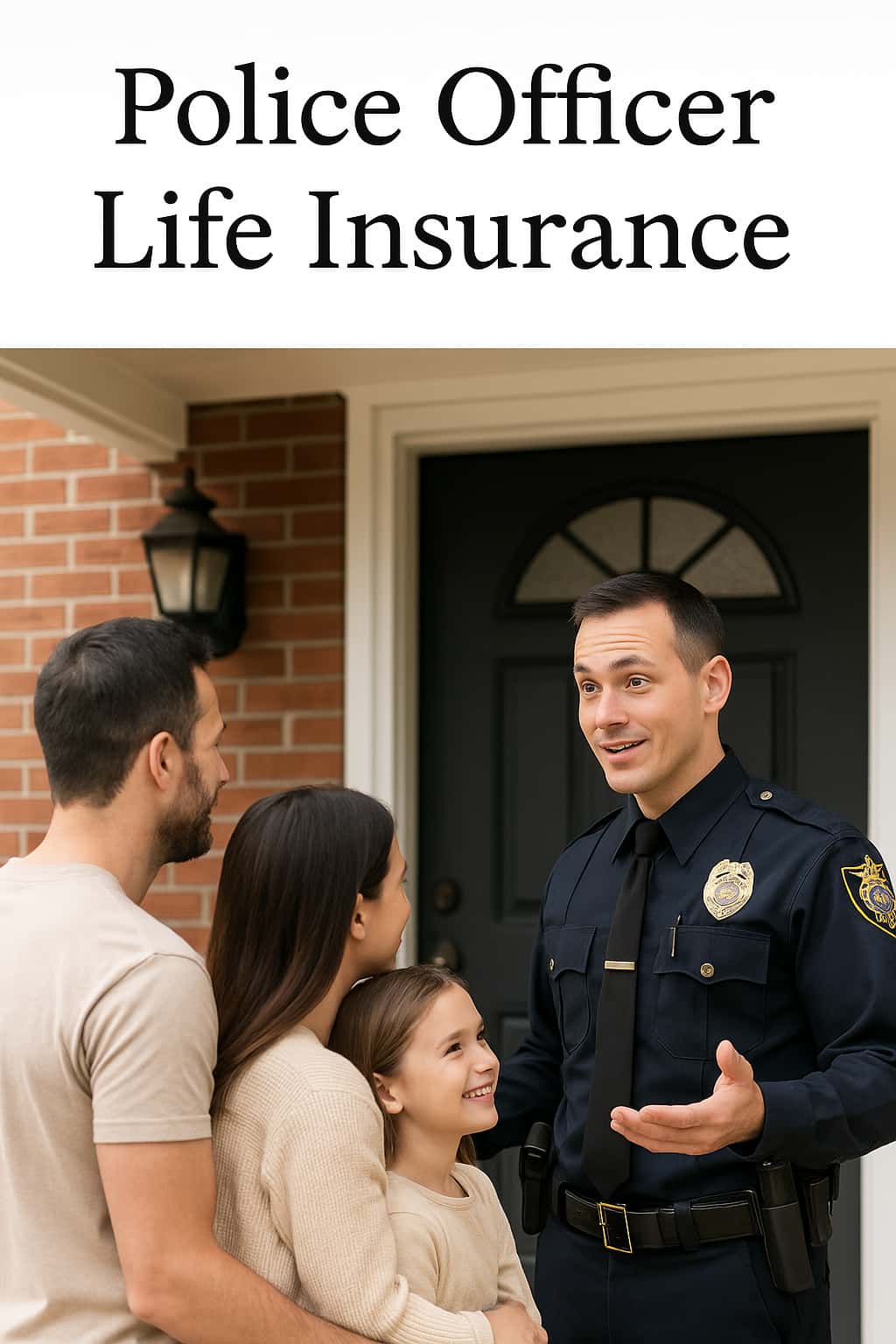
Law enforcement is a respected profession, but it also comes with unique risks that insurers take into account. Whether you’re a patrol officer, detective, or part of a specialized unit, it’s important to understand how your occupation may impact your life insurance application.
What Insurers Consider
When underwriters review applications from police officers, they typically look at:
- Type of police work — Patrol, traffic enforcement, detective work, SWAT, and other special units each carry different risk levels.
- Use of safety protocols — Consistent use of body armor, training, and adherence to safety procedures can reflect favorably.
- Injury history — Prior on-duty injuries or disabilities may increase perceived risk.
- Overall health and lifestyle — Blood pressure, cholesterol, weight, and tobacco/nicotine use often play as big a role as the job itself.
Coverage Gaps Officers Should Know
Many police officers have group coverage through their employer or union, but it may not be enough:
- Limited benefit amounts — Group policies often cap coverage (e.g., 1–3× annual salary).
- Not portable — Coverage may end if you retire, switch departments, or leave law enforcement.
- Restrictions — Some employer-provided plans exclude certain line-of-duty risks.
Private life insurance ensures your coverage follows you wherever your career takes you.
Common Health Factors in Law Enforcement
Insurers don’t only weigh job-related risk. They also look at health conditions that are statistically more common among officers:
- High blood pressure and cholesterol — Stress and irregular hours can raise risk factors for heart disease.
- Sleep apnea — Often tied to shift work and higher body mass index (BMI).
- PTSD and mental health — While not always disqualifying, insurers may ask about treatment history and stability.
- Tobacco/nicotine use — Can mean higher premiums, regardless of profession.
Tips to Improve Approval Odds
If you’re in law enforcement and applying for coverage, here are steps that may help:
- Apply when your health is stable — Regular checkups and well-managed conditions can improve ratings.
- Ask about first responder-friendly carriers — Some insurers specifically market to police and firefighters.
- Work with an independent agent — They can match you to companies more experienced with occupational risk.
- Consider timing — Applying earlier in your career, before health issues develop, can lock in better rates.
What You Can Expect
- Healthy officers in lower-risk roles often qualify for standard rates.
- High-risk assignments (e.g., SWAT, bomb squad) may come with a flat extra or slight rating.
- Specialized carriers sometimes offer tailored programs for first responders.
Bottom Line
Being a police officer doesn’t automatically mean higher life insurance costs. Your health, lifestyle, and specific assignment play the biggest roles. Even if one insurer is cautious, another may offer favorable terms.
⏰ 30-Day Money Back Guarantee
Compare Quotes NowApply with confidence — cancel within 30 days for a full refund.
Leave a Reply